
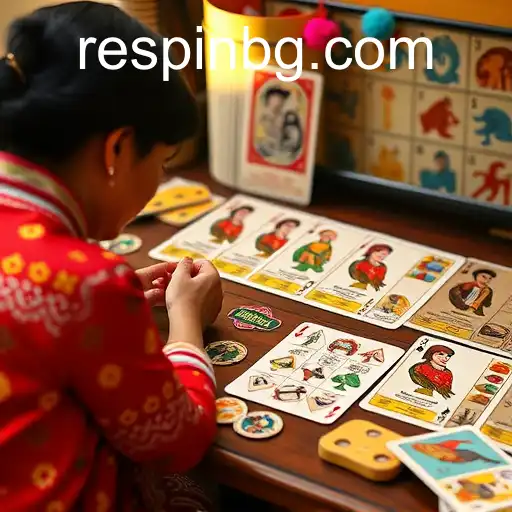

The Fascinating World of Loteria
Loteria, often seen as a simple game of chance, carries profound cultural significance in Mexico. Similar to bingo, this traditional game has won the hearts of many for generations. Unlike bingo, which uses numbers, Loteria employs a rich array of colorful images found in the deck of cards used for the game.
The Origins and Evolution of Loteria
The game’s origins trace back to 15th century Italy, from where it spread to Spain and subsequently found its way to Mexico in the late 18th century. Over time, Loteria evolved from a game of the elite to a popular pastime accessible to all social classes. It became a cultural staple, uniquely reflecting the societal and historical nuances of Mexico.
Loteria’s appeal grew during fairs and public gatherings, where it wasn't just a game but a social event, bringing people from diverse backgrounds together. The incorporation of Mexican folklore and symbols into the cards infused the game with cultural significance, making it more than just a game of chance.
The Traditional Loteria Deck
The traditional Loteria deck comprises 54 cards, each adorned with vibrant illustrations. These images, like La Sirena (The Mermaid) and El Catrin (The Dandy), are deeply rooted in Mexican cultural identity. The images reflect a wide array of themes, ranging from everyday objects to iconic symbols deeply entrenched in Mexican folklore and daily life.
The deck not only features a plethora of these vivid images but each card also carries a corresponding name and sometimes a riddle or verse, adding a layer of storytelling to the game. This aspect is not merely for entertainment but serves as a cultural educational tool, preserving language, idioms, and values through generations.
The Gameplay and Its Variations
Like bingo, Loteria is played by marking images on a board as they are called out. However, Loteria is distinctive in its verbal artistry and rhythm. The caller, often referred to as "El Griton," chants the name or a creative short rhyme for each card, a practice that elevates the gameplay to a theatrical performance.
Players use small objects like beans, coins, or even pebbles to mark the images on their tabla (board). The first player to complete a specified pattern yells out "Loteria!" to claim victory. Interestingly, variations of Loteria have emerged over time, with different regions and communities adding their unique twist to the game.
Loteria in Contemporary Times
In contemporary culture, Loteria has transcended beyond being just a traditional game. It has inspired artists, designers, and writers, who have reimagined and adapted the deck and its imagery for modern audiences. The themes of Loteria resonate with the struggles and aspirations of society, making it a canvas for expression and exploration.
Moreover, Loteria has found its way into various educational contexts. Educators leverage its rich imagery and storytelling aspects to teach language, cultural understanding, and history in engaging ways. The game now serves as a bridge connecting generations, where both young and old can partake in a shared cultural experience.
The Cultural Impact of Loteria
The impact of Loteria on Mexican culture is immeasurable. It continues to be a vibrant part of celebrations like festivals and family gatherings, serving as a reminder of the enduring nature of its cultural roots. Beyond its playful facade, Loteria provides a vital touchstone to Mexican identity and heritage.
Through its imagery and gameplay, Loteria fosters community and connection among participants. Its appeal abides in nostalgia and the shared memories it creates. It is both a cultural artifact and a living tradition, bridging cultures and generations through its universal themes and colorful narratives.
Conclusion
Loteria stands as a testament to the rich tapestry of Mexican heritage. It is more than a game; it is an embodiment of history, art, and communal joy. Whether played in a small family gathering or in a larger communal setting, Loteria continues to weave its stories into the fabric of everyday life, embracing its role as a cherished cultural emblem.